
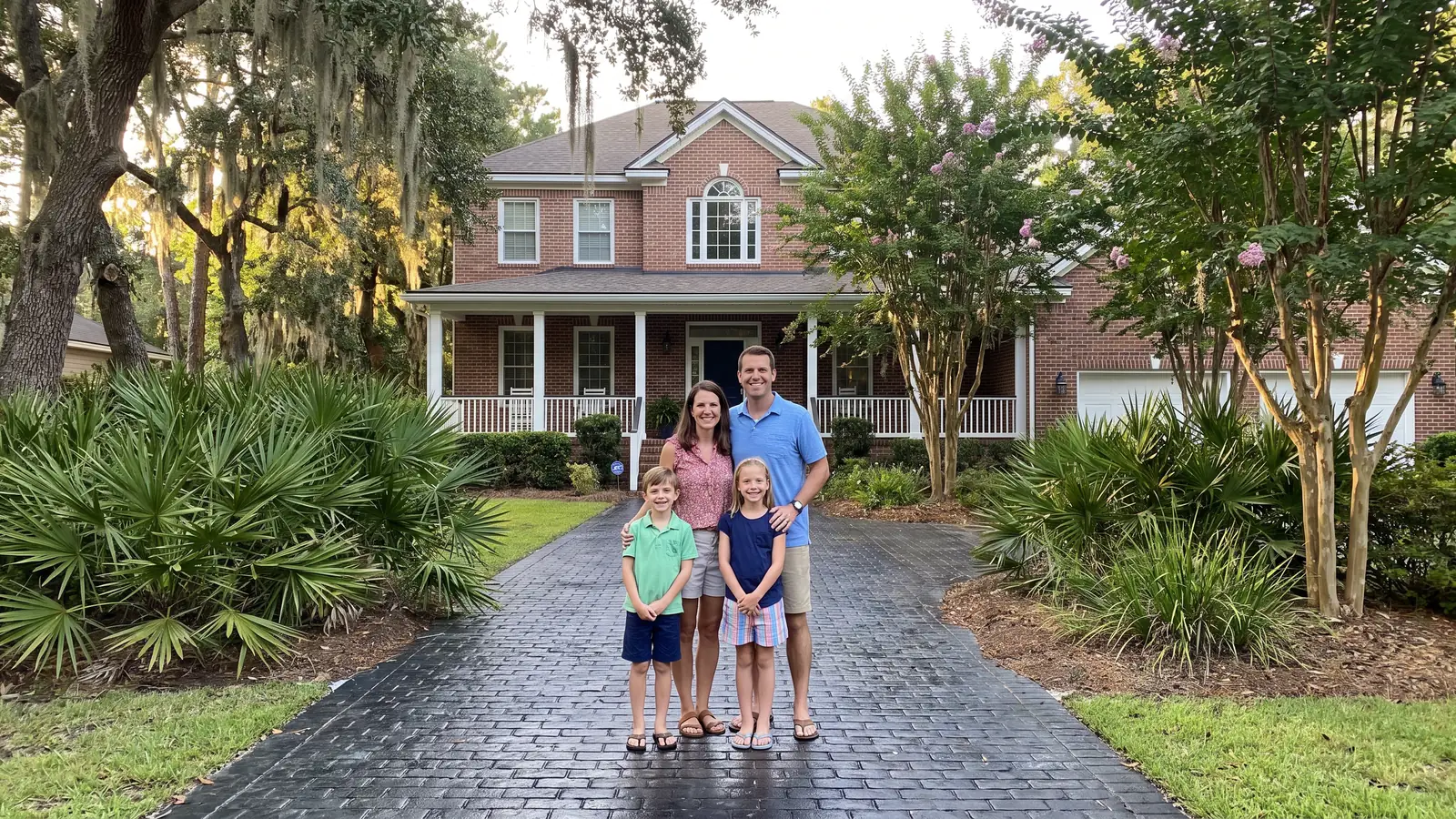
Paver sealing for Arlington homes
Paver Sealing in Arlington, FL
Faded pavers in front of an Arlington brick ranch can look fresh again, so call (912) 600-8118 for a free estimate.
- Brings out deeper paver color
- Fresh joint sand helps lock pavers in place
- Gives weeds less room to grow
- Makes the surface easier to keep clean
- Free estimate, no obligation
Request a Free Estimate
Free, no obligation.
Fast, careful paver sealing in Arlington
Paver sealing is available in Arlington, with a free estimate and a local contractor who washes, re-sands and seals driveways, walks and patios. A call to (912) 600-8118 gets an answer within 1 business day, and often well before that. Brick ranch lots and newer streets are both covered. Pool decks and patios are covered too.
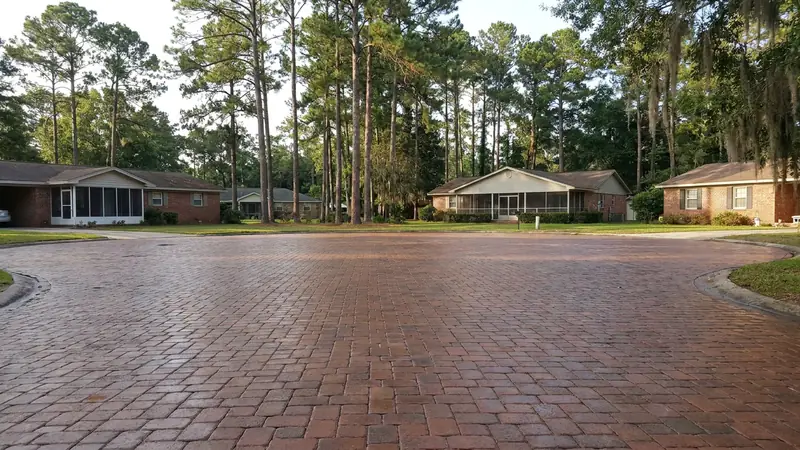
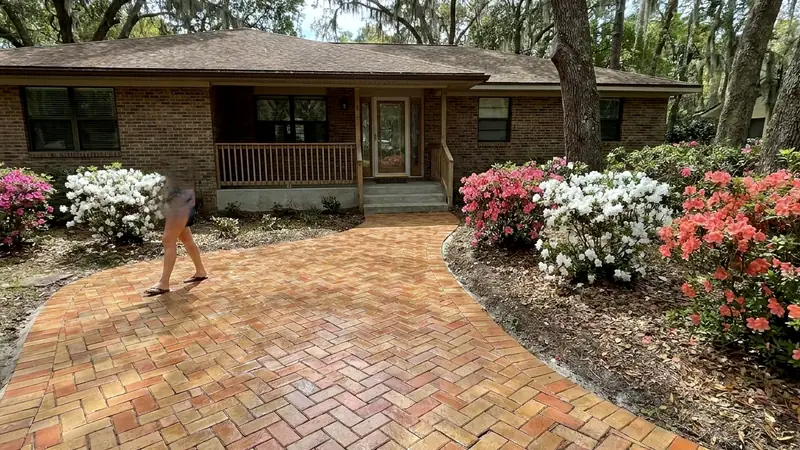
Think of a long brick ranch front with a paver drive that has faded to a flat tan and gone gray along the edges. After a wash, new sand and a fresh coat, the color comes back and the joints look tight. The drive stops pulling the eye away from the house. To start, ask for a free estimate and name your street.
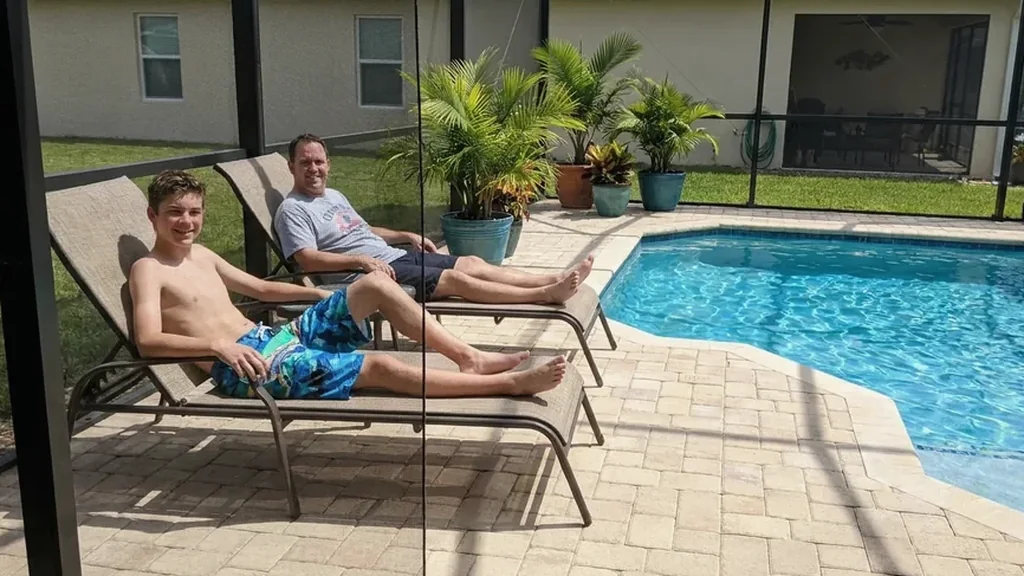
Why hire a local paver sealing contractor in Arlington?
Arlington owners pick a local contractor because brick ranches, creek-side blocks and open front yards each call for a different plan. To hear what that means for your pavers, ask for a free estimate. Asking costs nothing.
Free to ask
A contractor reads your Arlington pavers and puts a price on them. Booking is never required.
A published band
Companies here post a $1.75 to $3.25 range, per square foot, covering wash, sand and sealer. Check each Arlington bid against it.
Careful beside brick
Rinse water is aimed away from brick walls and mortar, so a ranch front stays as it is.
Your sheen
Matte keeps a mid-century front calm, and a wet look deepens the color. You decide.
Get Your Free Estimate in Arlington
Tell us about your pavers in Arlington.
Free, no obligation
What paver problems show up most in Arlington?
Fading on sun-baked ranch drives
Arlington's mid-century homes often sit on open lots with a wide front exposure. Florida sun, heat and heavy rain wear down sealer, a Jacksonville company says. A Jacksonville company puts a sunny drive at a new coat roughly every 18 to 24 months. A flat or chalky look is your cue to check. If your drive faces south or west, it gets the longest sun and will show wear first. A quick look at the color after a long dry spell tells you a lot. Sun also bakes dirt into the surface, so the wash has to be thorough for the color to come back even. A south or west facing drive gets the longest sun, so it shows wear first. A quick look at the color after a long dry spell tells you a lot. Ranch fronts here tend to be wide and open, so a single drive can take sun from sunrise to dusk and fade in an even sheet.
Joint sand lost to summer storms
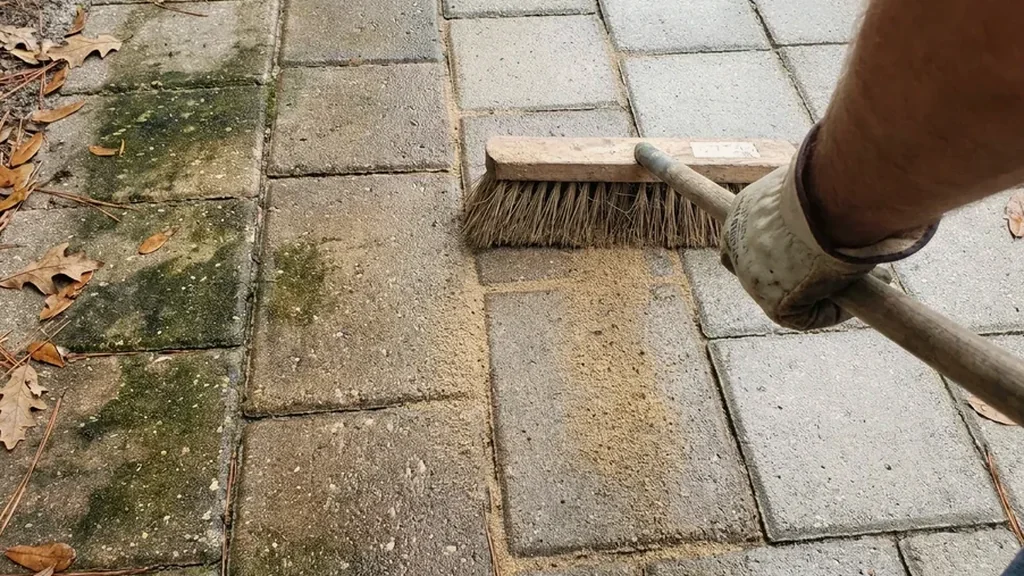
Rain here totals about 52 inches a year, and most falls from May to September in short, hard storms. Arlington sits on deep, well-drained sand, so water moves through fast and takes joint sand with it. Open joints let weeds in. New sand goes in before any coat. A broom sweep shows how much sand is left. If the joints are shallow, a coat alone will not hold them, so new sand is part of the job. Heavy rain can move sand in a single afternoon, and a drive on a slope loses it first near the low end. A broom sweep shows how much sand is left. If joints are shallow, a coat alone will not hold them. Rain that arrives in a short, hard burst moves sand off the high side of a slope in minutes, so the top of a sloped drive thins first.
Brick and pavers side by side
Arlingwood is mostly brick ranch homes, and River Forest has ranches of about 800 to 1,600 square feet. Pavers laid beside brick need careful rinsing, and runoff running down a wall is best avoided. A contractor shields the walls and aims water away from them. Ask the contractor to test the rinse on a small area first. That small step catches any problem before the whole wall is wet. Hand work near the wall takes longer than open pavers, and that time is reflected in the quote. A quick test rinse on a small area catches a problem before the whole wall is wet. Mortar on an older brick wall can be soft, so the contractor tests the rinse on a hidden patch and keeps water low.
Low spots near creeks and ponds
Pottsburg Creek and its tributaries run through the southern part of Arlington, and retention ponds and storm drains feed them. That makes water levels swing. Parts of Arlington sit on high ground with good drainage, but blocks near a creek can stay damp. Damp pavers must dry before sealing. If water stands on your drive for more than a day after a storm, mention it, since a low spot may need a repair to the base. Pavers that stay wet are also the first to grow green, so a damp edge near a downspout needs extra attention. If water stands on your drive for more than a day after a storm, mention it, since a low spot may need a repair. Ponds and ditches can raise the damp near a patio even when the street dries, so a patio edge may need an extra day.
Older sealer from past owners
Homes here date from the 1950s and 1960s, and many have changed owners more than once. A past owner may have used any product on the pavers. Sealer types do not mix, since a water-based coat cannot sit on a solvent-based one, and flaking or milky patches are the usual sign that old sealer needs to come off first. A small test patch shows whether the old coat is still sound. It takes only a few minutes and saves a mismatch. If you can find a receipt or a name for the last product, hand it to the contractor, since it saves guessing. A small test patch shows whether the old coat is still sound. A past coat that peels at the edge of a step is the easiest clue to find, so look there first.
Which Arlington neighborhoods get paver sealing?
All of them in ZIP 32211, from Lake Lucina to Arlingwood and River Forest. Lake Lucina homes were built from 1951 to 1962, with a median of 1955. Arlingwood runs from 1953 to the present, with a median of 1961. Give the contractor your neighborhood when you ask for a free estimate.
Cesery Park sits at Cesery Boulevard and Columbine Street, and the Lake Lucina subdivision grew from forty acres bought around 1950. River Forest ranches run about 800 to 1,600 square feet, so drives are modest. Arlingwood has mid to larger lots. Call (912) 600-8118 and describe your lot and its pavers.
Many listings in these neighborhoods state no HOA, so you can often pick the finish yourself. If your street does have an association, Florida law limits it to its own written rules. A natural-look sealer is the safest pick when rules are unclear. Once you know, ask for a free estimate.
What does paver sealing cost in Arlington?
Prices posted in this region start at $1.75 per square foot and top out near $3.25 for the wash, sand and coat. An Arlington drive with sound joints lands in the lower part, and one with old sealer or rust lands higher. A failed old coat means stripping, and that lifts the price. For a figure on your pavers, ask for a free estimate.
Prep drives the price, since washing and sanding take longer than the coat. A short drive can run higher per square foot, since setup time stays the same. Mixed surfaces, like a drive, a walk and a pool deck, add prep time. Phone (912) 600-8118 to learn which of those factors fit your lot.
| Paved area | Typical example | Clean, sand and seal |
|---|---|---|
| 300 sq ft | Small patio or walkway | $525 to $975 |
| 600 sq ft | Two car driveway | $1,050 to $1,950 |
| 1,000 sq ft | Large driveway or pool deck | $1,750 to $3,250 |
| 1,500 sq ft | Driveway plus pool deck | $2,625 to $4,875 |
Math based on the $1.75 to $3.25 per square foot that Northeast Florida paver companies published as of November 2026. Your contractor sets the actual price after seeing the surface. Repairs, leveling and stripping failed sealer are usually extra.
How does a paver sealing job work in Arlington?
Look at the pavers and the old coat
The contractor tours the drive, front walk and patio and tests a small spot for old sealer. The two sealer families do not mix, so the test decides the product. The contractor also checks for dips, cracks and rust, and asks where water collects after a storm. A ten minute walk usually answers most questions. Photos of the old coat, if you took any, help the contractor guess what product was used.
Reset sunken or lifted pavers
A coat preserves a surface as it is, so sunken or root-lifted sections are reset first. On Arlington drives, the edges near the garage and the road are usual spots. A reset spot is matched in height to the pavers beside it. Smaller repairs often take an hour, while larger sunken areas need more time and appear in the quote. A tamper and fresh bedding sand level a reset spot, and the edge is checked with a straight board.
Wash and protect the brick
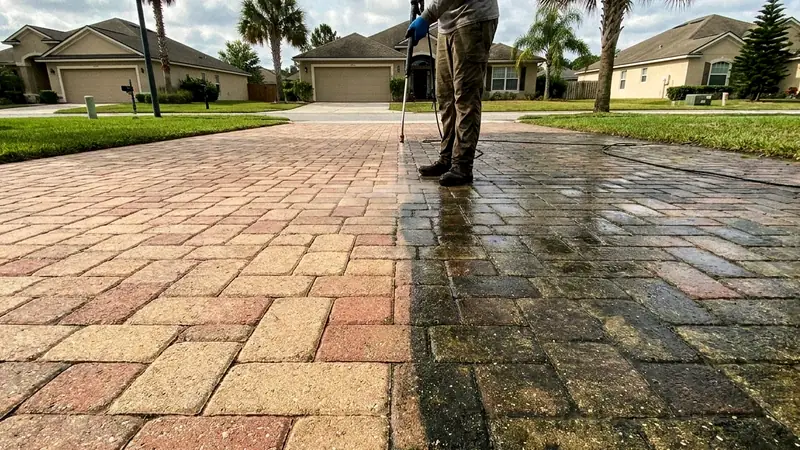
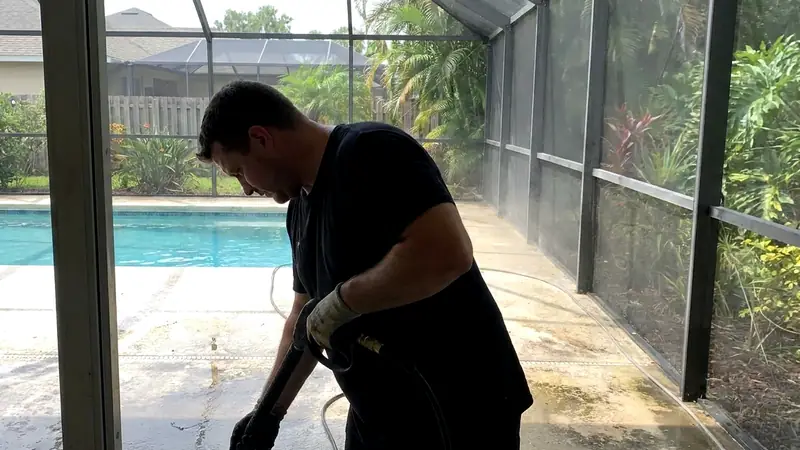
The wash lifts green film, oil, road dust and rust. The contractor shields brick walls, plants and door frames from runoff and keeps water pointed away from mortar. Washing takes joint sand with it, so every joint gets refilled. Hand work is used close to the walls. Doors and low windows near the wall get covered before any rinsing starts.
Refill joints and wait for dry pavers
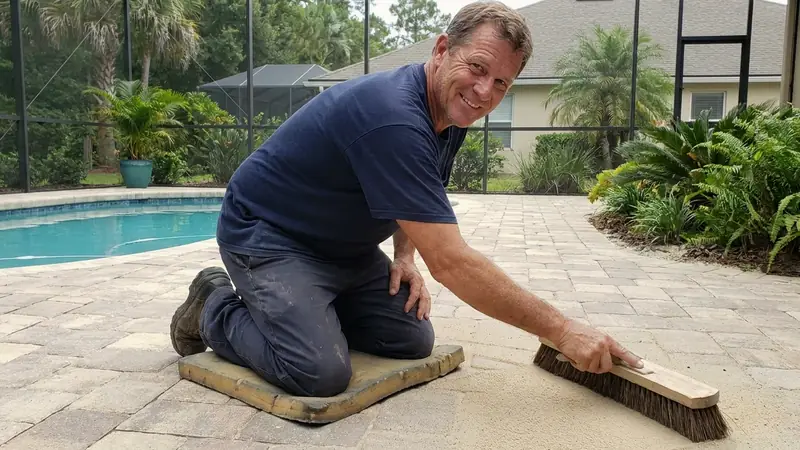
Fresh sand goes into the joints and the surface is swept. The pavers must dry fully, since a coat over moisture can turn a wet look cloudy white. After a storm, a shaded or creek-side patio dries slower than a sunny drive. A broom clears loose grains afterward, which keeps the coat smooth. A shaded, creek-side patio can need until the next morning, so the schedule leaves room.
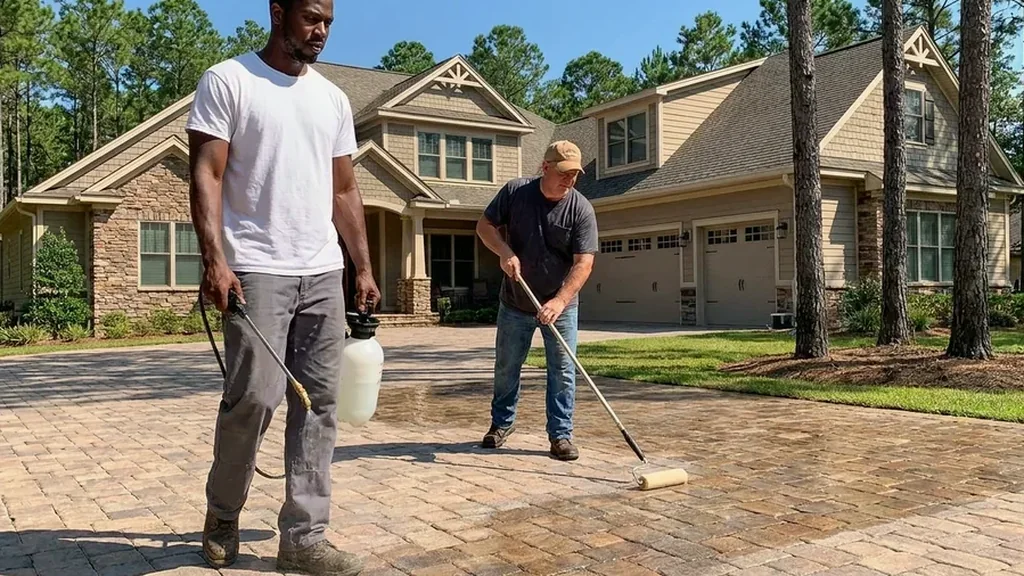
Spray, back-roll and keep off
The coat goes down from a sprayer, and a roller then presses it into the joints. Allow a few hours before anyone walks on it and a full day before a car does. A later splash that beads up is proof the coat is working. Let the contractor say when the surface is safe for pets and children. A quick walk-around at the end shows whether any patch looks thin or uneven.
Complete paver services in Arlington
A sealing day in Arlington follows an order: wash, refill the joints, let the pavers dry, then coat. The wash lifts road film, mildew and rust, and fresh sand ties the pavers into one surface. About 2 to 3 hours of prep go into each hour of sealing. Call (912) 600-8118 to hear how that adds up for your size.
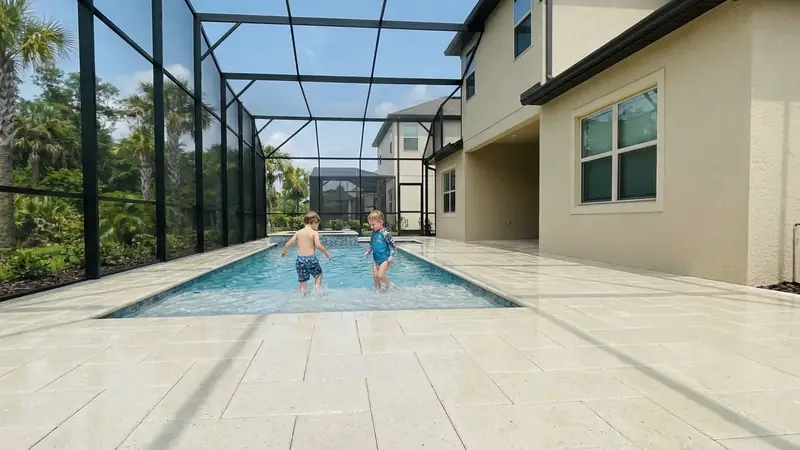
Arlington jobs are often a drive across a wide front yard, a walk to a stoop and a patio or pool deck behind. Drives wear from tires, and walks wear from rain and shade. Pool decks need a finish that is not slick when wet. Tell the contractor your surfaces when you ask for a free estimate.
You can pick a water-based or a solvent-based sealer, though a new coat must match what is already there. A wet look deepens color and shows scuffs sooner, while matte keeps the natural face of the pavers. Near a pool, matte is the safer choice, so ask about slip. Call (912) 600-8118 and describe your pavers, and the contractor can talk through the choices.
Rain here peaks from May to September, and sealer needs a dry surface. The ground drains fast, but pavers near creeks can stay damp. After the coat, foot traffic is usually fine in a few hours and cars need about a day. For the right window on your street, ask for a free estimate.
Questions to ask before you hire
- Will you cover my plants and shield the siding and the screen enclosure?
- Will you fill the low spots and the gaps where the joint sand washed out?
- Can you deal with the green algae and the dark stains under my live oaks?
- Do you charge by the square foot or give one price for the whole area?
- What does the written estimate list, and how long is it good for?
- Does the quote cover pressure washing, new joint sand and the sealer, or are those priced apart?
- What happens if it rains soon after the sealer is down?
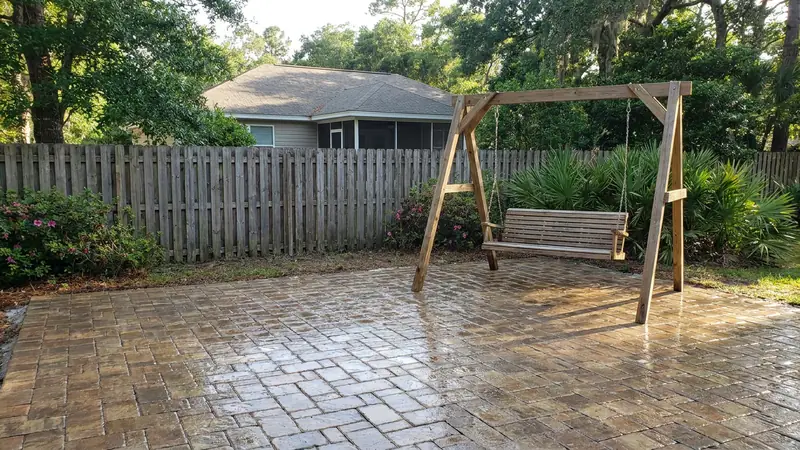
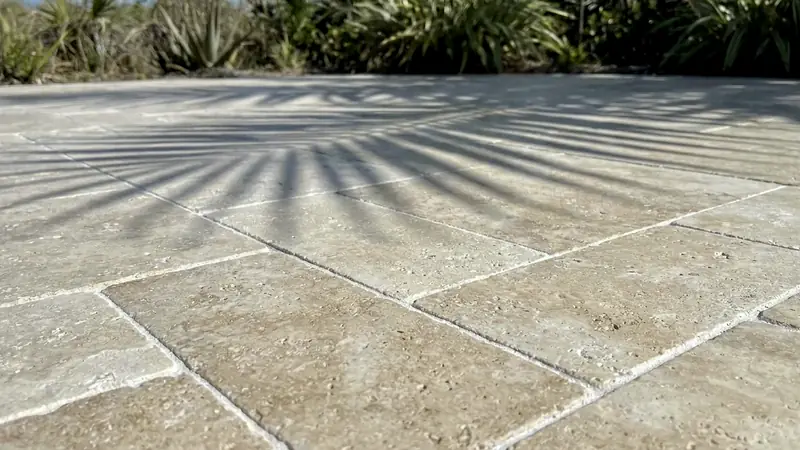
What do sealed pavers look like around Arlington?
Why local matters in Arlington
A contractor who works Arlington knows the brick ranch. Pavers sit close to brick and mortar that can stain, so rinse water has to be aimed with care. A crew used to newer stucco homes may not think about it. Dial (912) 600-8118 to speak with a contractor who works the Arlington side of the river.
The ground matters too. Arlington has high spots with good drainage and low spots by creeks and ponds. A contractor who asks where water sits can plan the drying time. When you ask for a free estimate, say which corner of the yard stays soggy.
Rain is the other clock. Most of it falls between May and September, and November through April stays drier. A contractor who knows this can steer your job into a dry window. If you want to book ahead, ask for a free estimate and ask what is open.
What makes Arlington different from the rest of Jacksonville?
Arlington took off once the Mathews Bridge opened in 1953, and it joined the city in 1968. It is known for mid-century modern homes designed by architects like Robert Broward, Taylor Hardwick and William Morgan. Atlantic Boulevard opened in 1910 as the first modern improved highway in Florida. If your street is near it, call (912) 600-8118.
Jacksonville University has sat in Arlington since 1947, with a 260-acre campus. Tree Hill Nature Center on Lone Star Road opened as a city park in 1971, and its hill is the second-highest point in Duval County. Regency Square Mall opened in 1967. Near any of these Arlington landmarks, ask for a free estimate and name your street.
Frequently Asked Questions
Should I seal my pavers in Arlington, Florida?
Yes, for most pavers. Florida sun, heat and heavy rain break down bare pavers and the joint sand between them. Sealer slows that wear and slows weeds. Budget for a fresh coat down the road, since sealer slowly wears. Many Arlington owners reseal before the color is gone, which keeps the next wash easier.
How long does paver sealer last in Arlington?
Most quotes you will see put the gap between coats at two to five years. One Jacksonville company says a sunny drive needs a coat about every 18 to 24 months, and shaded walks and patios with light use can go about 24 to 36 months. Shade from a big oak or constant sprinkler spray can cut that span short.
What does cleaning and sealing pavers in Arlington cost?
The published range is $1.75 to $3.25 for every square foot, with washing, sanding and sealing all included. Old sealer, rust and a small area move the price. Ask for the total square footage in the quote. Spread over a larger lot, the same setup hours cost less for each square foot.
Why is paver sealing so costly in Arlington?
Prep eats most of the labor, and the sealer is the smaller line. A Jacksonville company says 2 to 3 hours of prep go into every hour of sealing. The wash, repairs and new joint sand take time, and smaller jobs cost more per square foot. The product is the cheap part, and the hours of prep are the costly part.
What do pavers cost to seal around Arlington, Jacksonville?
Across this region the quoted band runs $1.75 to $3.25 per square foot. A failed old coat has to be stripped, which pushes a job higher. A free estimate gives the real number once the contractor sees your joints and your drive. Access matters too, since a tight gate or mixed surfaces add time.
Will paver sealing hurt my brick walls in Arlington?
It should not, when the contractor takes care. Rinse water is aimed away from mortar and walls, and walls and plants get shielded. Tell the contractor your house is brick so the plan reflects it. Hand work and shielding take a little longer, and that is usually built into the quote.
How long should I wait to drive on sealed pavers in Arlington?
One local company reports that people can usually walk on it after a few hours. Cars stay off about a day, so many owners use the street or the garage that night. Check the product label, since cure times differ. A heavy shower the same night can add a day, so keep the forecast in mind.
Do Arlington neighborhoods have HOA rules on sealer?
Many do not. Listings in Lake Lucina, Arlingwood and River Forest often state no HOA. Where an association exists, Florida law ties it to its written rules, and a natural-look sealer is the safest choice when rules are unclear. If your rules are silent, you may pick the finish yourself.
Ready for a Free Estimate in Arlington?
Call (912) 600-8118 and tell us about your pavers.
Free, no obligation