
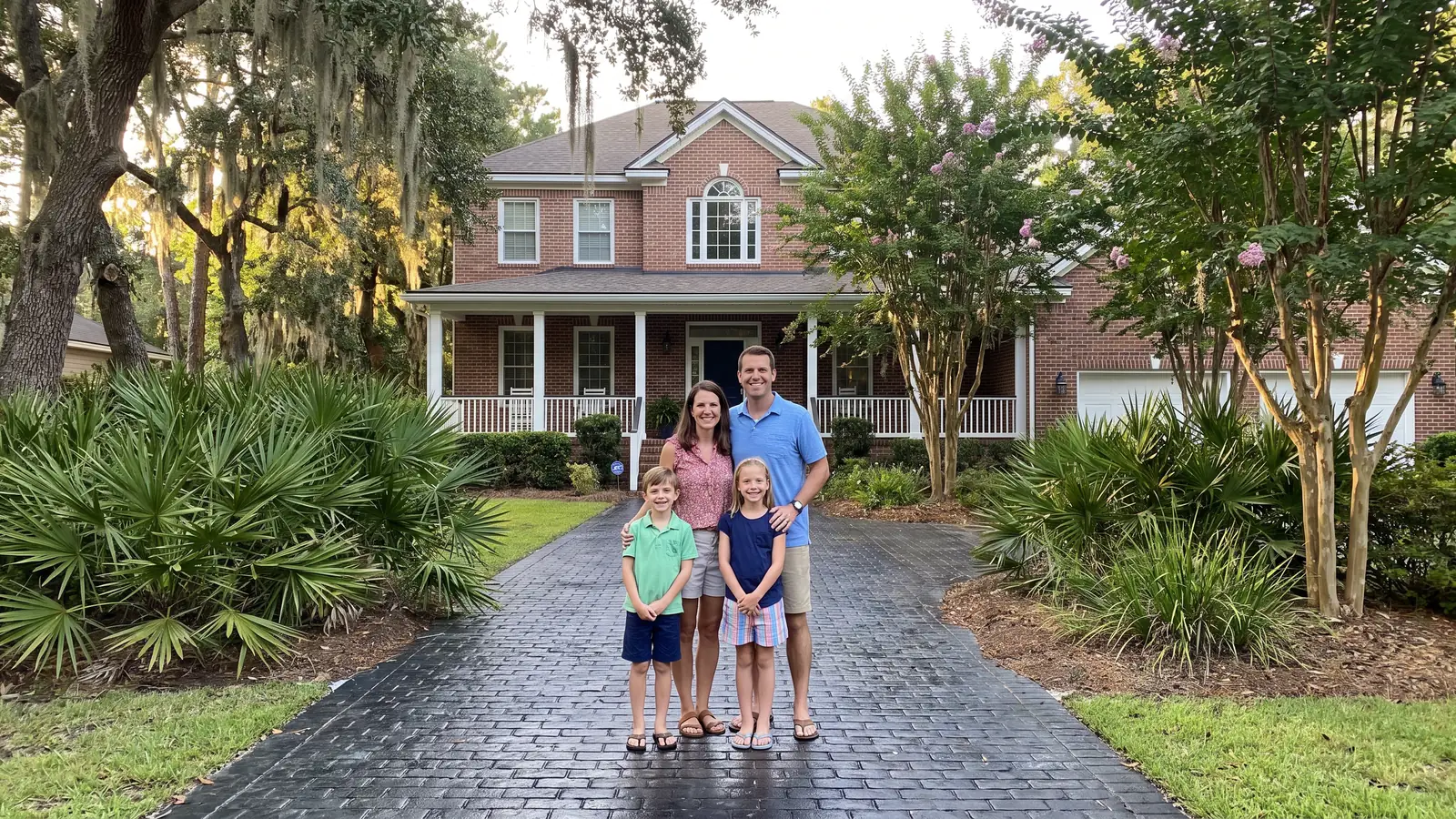
Paver sealing for Arlington Hills homes
Paver Sealing in Arlington Hills, FL
Seal the pavers in front of your Arlington Hills ranch house, then call (912) 600-8118 for a free estimate.
- Brings out deeper paver color
- Fresh joint sand helps lock pavers in place
- Gives weeds less room to grow
- Makes the surface easier to keep clean
- Free estimate, no obligation
Request a Free Estimate
Free, no obligation.
Fast, careful paver sealing in Arlington Hills
Paver sealing is available in Arlington Hills, and a local contractor will clean, re-sand and seal your driveway, walkway or patio. The estimate is free, and when you call (912) 600-8118 you will hear back within 1 business day, usually much sooner. Driveways, walkways, pool decks and patios all count.
Picture a driveway off Cesery Boulevard with gray streaks along the edge and grass starting up through the joints. Cleaned, filled with fresh sand and sealed, those pavers read as one even color again. The color deepens, the weeds stop finding a foothold, and the surface looks cared for from the street. You can ask for a free estimate and describe the spot that bothers you most.
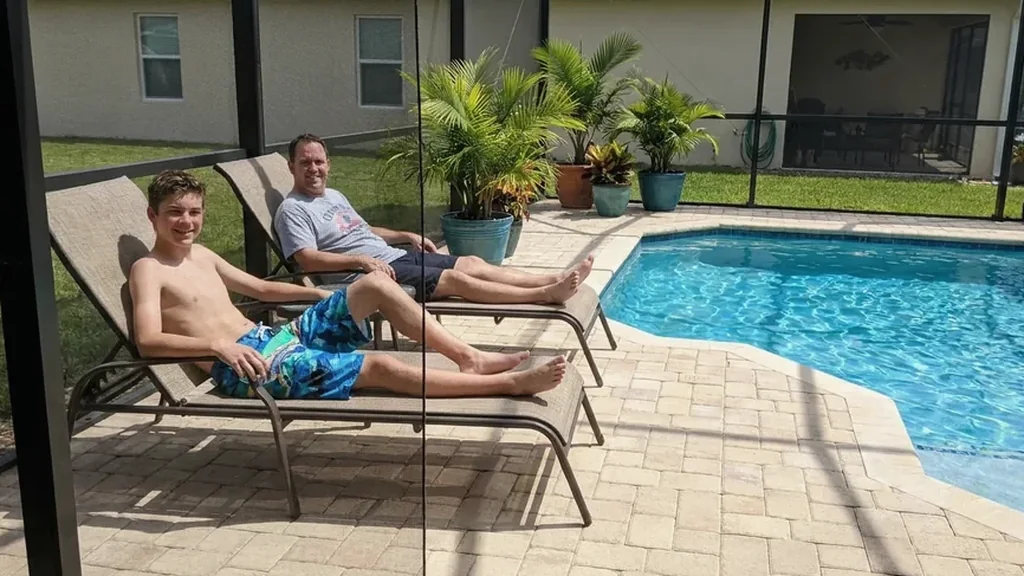
Why hire a local paver sealing contractor in Arlington Hills?
Arlington Hills homeowners choose a local contractor because the houses are mid-century, the ground is sandy and storm water moves through the area. To hear how that shapes your job, ask for a free estimate. There is no charge to ask.
Look first, then price
Someone walks your Arlington Hills drive before naming a number, so the quote reflects the real square footage and the real wear.
A band to measure against
Regional companies post $1.75 to $3.25 for each square foot of wash, sand and coat. Hold your Arlington Hills quote up to it.
Sheen suited to a ranch
A quiet matte finish sits well on a plain mid-century front. A glossier coat deepens color but shows scuffs earlier.
Zero pressure
Pick the day, move it, or say no. The Arlington Hills visit carries no obligation.
Get Your Free Estimate in Arlington Hills
Tell us about your pavers in Arlington Hills.
Free, no obligation
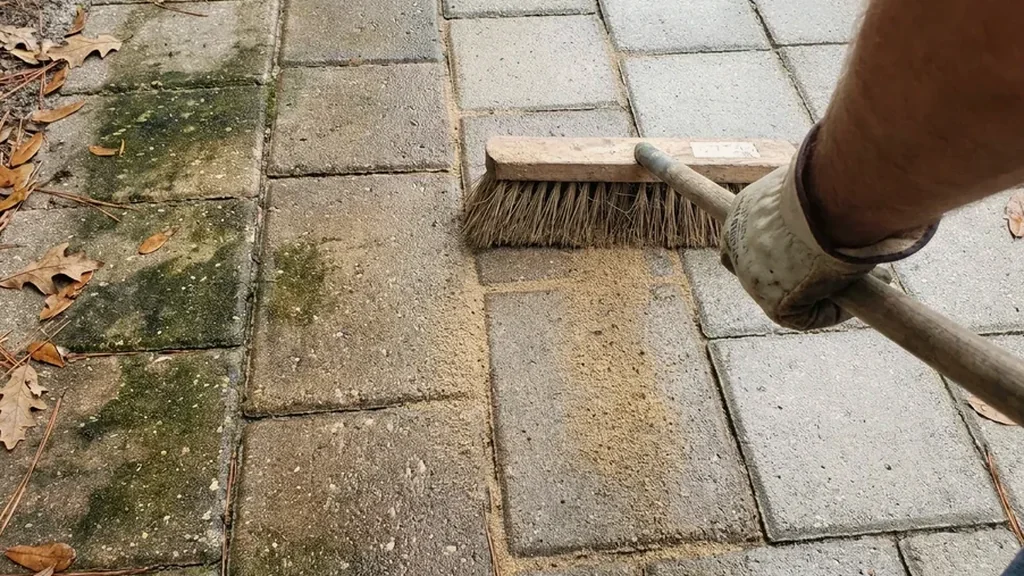
What paver problems show up most in Arlington Hills?
Street water near Woolery Drive
News4JAX reported in 2022 that homeowners on Woolery Drive had dealt with street flooding for at least a year. The city said it planned to rebuild a culvert on Arble Road to remove a flow restriction. Pavers near a low curb or a ditch can stay wet longer, and sealer needs a dry surface. Those lots may need to wait for a clear stretch of weather before any coat goes down. Ask the contractor to look at the low edge of the drive after a storm, because that is where water lingers. Because the ground is sandy, standing water drains in time, but sealing on a damp surface is still a mistake. The city traced that stormwater to Strawberry Creek by way of Arble Drive and Mill Creek Road, so the water has a long way to travel. A neighbor's dry yard does not mean yours drains the same way. That is why the contractor asks about your own low corner.
Joint sand that runs to the gutter
Fine sand underlies Duval County, and the city collects about 52 inches of rain each year, much of it in hard summer storms. A Jacksonville paver company lists low joints with sand washing into the gutter as a sign a driveway needs work. Once the joints open, weeds and ants move in. That is why fresh sand goes in before every coat. If you hear a hollow tap or see a gap forming at the apron, mention it, since that is where joints open first. Winter is the dry season, which makes it the easiest time to refill joints without storms washing sand out. On a sloped drive, the sand thins out at the low end first, near the apron and the gutter. Refilling those joints right before the coat is what keeps the surface from shifting underfoot.
Settled spots on older drives
Homes here date from 1951 to 1990, and a paver drive added later has had years of tires turning on it. A Jacksonville company says a section lifted by roots, or a dip where you park, gets repaired before sealing. Sealer would only lock the dip in place. Pavers that rock underfoot need a reset, not a coat. Mention how long the dip has been there, because an older settle may mean the base under it needs more work. Edges beside the garage door and at the street apron move first. Houses built between 1951 and 1990 often have a drive that was widened or repaved once. Where old and new pavers meet, the seam is the first place to dip. The contractor looks there before anything else.
Green film where shade stays heavy
Algae and moss should not grow on interlocking pavers unless the area is heavily shaded. If a walkway on your lot sits under a thick tree or beside a damp fence line, the green will start there. It has to be washed away first, because sealer laid over it traps it. Sun-baked pavers in the open stay clearer longer. A quick look at the north side of the house usually shows where the green will return soonest. A walkway along the north wall of the house stays cool and damp longest. Look at the north side of a fence or the strip beside a hedge, where the green usually shows up first. Those damp, shaded edges are worth pointing out at the estimate.
Orange stains from well water
Iron is common in Florida well water, and a sprinkler fed by a well can leave orange stains where it lands. That is a statewide fact, so it only applies if your irrigation uses a well. The contractor will ask, since rust marks need their own treatment before any sealer goes down. City water rarely causes the same marks. A faint rust ring around a sprinkler head is the clue to point out, because that stain needs a separate treatment. Treating rust is cheaper before sealing than after, since a coat would hold the stain in. Spray from a head near the walk lands on the same spots all summer. Moving the head a few degrees after the job stops the stains from coming back, and the contractor can point out the worst offender.
Which Arlington Hills streets can get paver sealing?
All of them, from Layton Road and Cesery Boulevard to Gaillardia Road and Caladium Road. Listings in November 2026 showed homes built from 1951 to 1990, between 925 and 2,350 square feet. The mix of single-family and attached homes means driveways come in many sizes. Give the contractor your street when you ask for a free estimate.
Smaller homes often mean smaller drives, and a small job can bump into a company's minimum size. One Jacksonville cost guide says smaller projects cost more per square foot, because prep time does not shrink with the surface. Bundling a walkway and a patio with the drive can spread that setup cost. Call (912) 600-8118 and ask how your square footage would be priced.
Ligustrum Road, Mayapple Road, Shetland Road and Lansdowne Drive show up in the same listings. Some blocks may have an owners' association, and Florida law lets one enforce looks only as far as its own papers say. Read your declaration for any rule on sealer color or sheen. Then ask for a free estimate with that answer in hand.
What does paver sealing cost in Arlington Hills?
In this region, companies publish $1.75 to $3.25 per square foot for a wash, sand and seal. Where an Arlington Hills lot lands depends on old sealer, missing sand and how much needs repair. Stripping a coat that has failed raises the cost. To get a number for your pavers, ask for a free estimate.
Size matters in a neighborhood of modest homes. A small driveway can cost more per square foot than a large one, since setup and prep stay about the same. A locked gate or a tight side yard adds prep time too. Ring (912) 600-8118, and the contractor will say which of those fit your drive.
| Paved area | Typical example | Clean, sand and seal |
|---|---|---|
| 300 sq ft | Small patio or walkway | $525 to $975 |
| 600 sq ft | Two car driveway | $1,050 to $1,950 |
| 1,000 sq ft | Large driveway or pool deck | $1,750 to $3,250 |
| 1,500 sq ft | Driveway plus pool deck | $2,625 to $4,875 |
Math based on the $1.75 to $3.25 per square foot that Northeast Florida paver companies published as of November 2026. Your contractor sets the actual price after seeing the surface. Repairs, leveling and stripping failed sealer are usually extra.
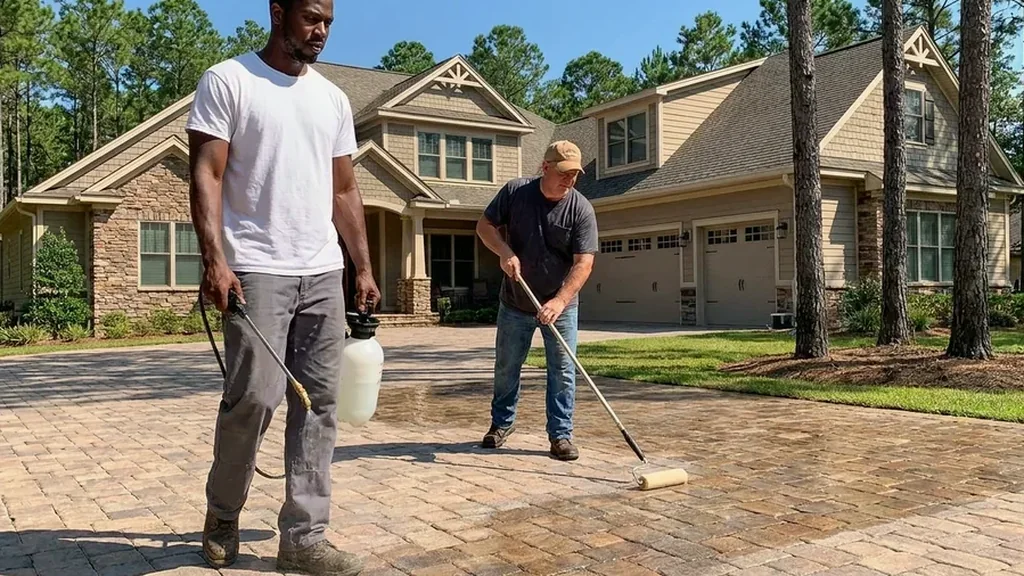
How does a paver sealing job work in Arlington Hills?
Look over the pavers and the old coat
A contractor goes over your Arlington Hills pavers, looking for dips and lifted edges, and asks if a past owner sealed them. The reason is simple: a water-based coat cannot be laid on a solvent-based one. Mention any pooling by the curb, since it changes the plan for the day. A short walk around the lot also shows how close the drive sits to the garage and the street, which sets where the work starts.
Repair low and lifted spots
A coat freezes the surface in place, which is why sunken or lifted pavers get reset before it. Roots and years of turning tires cause most of these spots. Skipping the reset would leave a dip under a glossy new layer. Oil and rust marks get their pre-treatment at this stage as well. Each repaired spot is checked against the pavers beside it, so the drive ends up flat enough to shed water toward the street.
Wash and refill the joints
Washing strips green film, mildew and stains, and it takes the joint sand with it. Fresh sand goes back in before sealing, which matters on the fine sandy ground under Duval County. A broom clears the surface once the joints are full. Runoff is steered toward the street or the lawn, never toward a neighbor's fence.
Let the pavers dry
Sealer needs a dry surface. Damp pavers are a common reason a coat turns white or blotchy. After a Jacksonville storm, a shaded or low spot can take a day or more to dry, so the contractor waits. A rushed coat over moisture is the mistake that shows later. On a clear, breezy morning a sunny drive may be ready by afternoon, while a shaded side walk may need to sit until the next day.
Apply the finish you chose
Sealer goes on from a sprayer, and a roller then pushes it down into the joints. Matte hides scuffs better, while a wet look shows them sooner. After a few hours people can step on it, though cars need to wait about a day. A second thin coat may follow once the first has set, and a look at the finish by daylight catches any thin patch.
Complete paver services in Arlington Hills
A sealing day in Arlington Hills follows one order: wash, fill the joints with sand, let the pavers dry, then seal. The wash lifts mildew and road film. Fresh sand goes in before the coat so nothing dirty stays under it. To hear how long each step takes on your lot, call (912) 600-8118.
Most pavers here are driveways and front walks, with a patio behind the house on many lots. Driveways take tires and turning, which loosens joint sand. Back patios are walked on more softly but can stay damp after rain. Tell the contractor which surfaces you have when you ask for a free estimate.
Sealer is water-based or solvent-based, and a water-based coat cannot go over a solvent-based one. If a past owner sealed the pavers, the old coat decides what comes next. Then you choose matte or wet look. Call (912) 600-8118 and describe any shine or flaking you see now.
Rain here falls mostly from May to September, often in short, hard storms, so a date may move. Sealer needs a dry surface, and lots near the Woolery ditches may hold water longer. The contractor can watch the forecast and wait. For a date that fits, ask for a free estimate.
Questions to ask before you hire
- How long until we can drive on the driveway and set the patio chairs back?
- Does the quote cover pressure washing, new joint sand and the sealer, or are those priced apart?
- Will the contractor tell me the sealer brand and whether it leaves a wet look or a natural one?
- Will you cover my plants and shield the siding and the screen enclosure?
- Will you walk the finished job with me before I pay?
- Will you fill the low spots and the gaps where the joint sand washed out?
- Can you send proof of insurance before the work day?
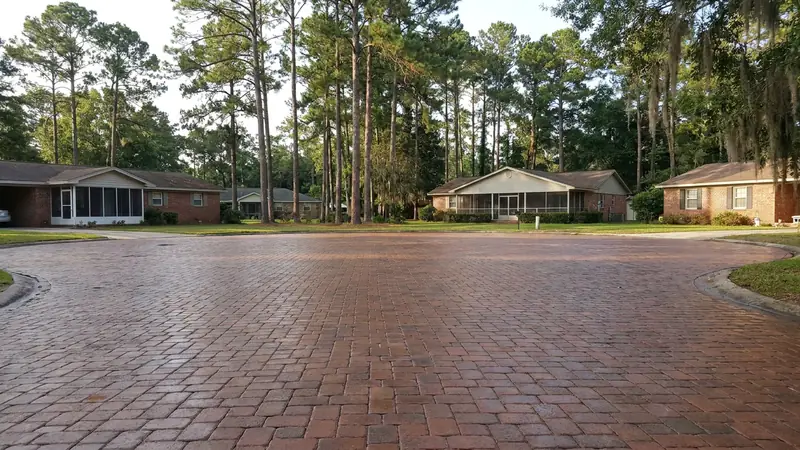
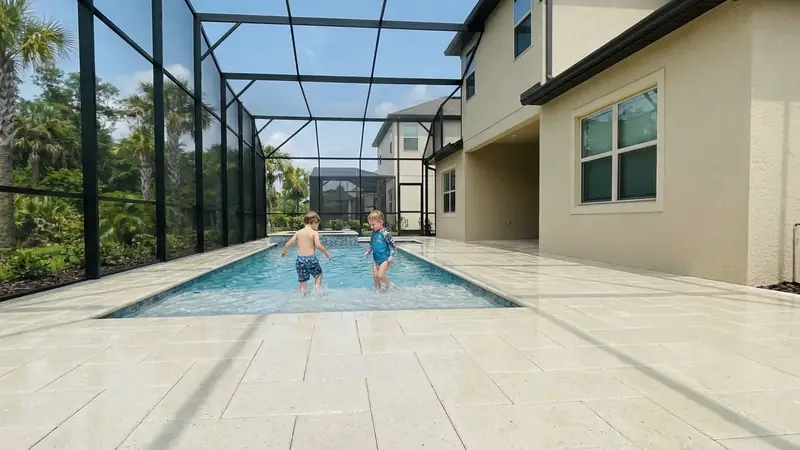
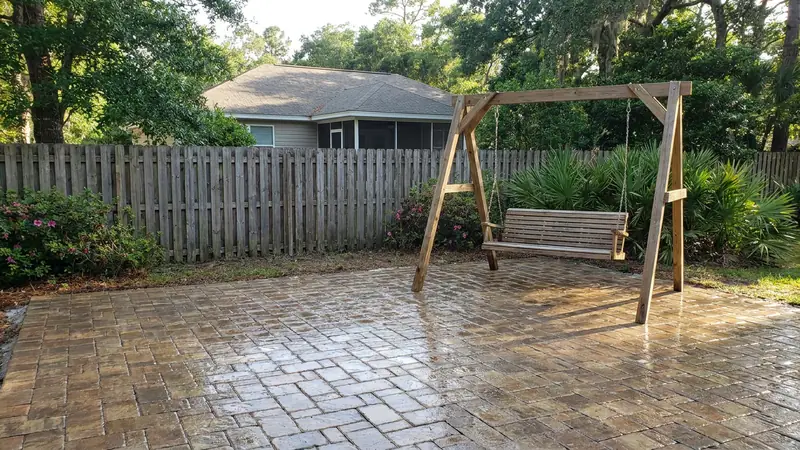
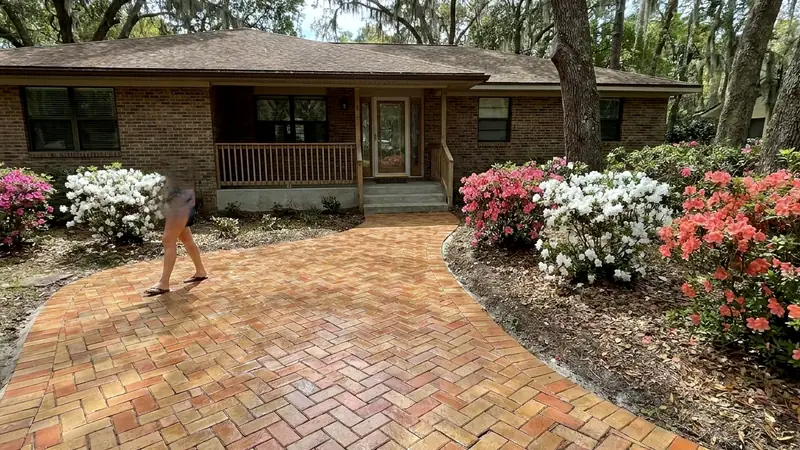
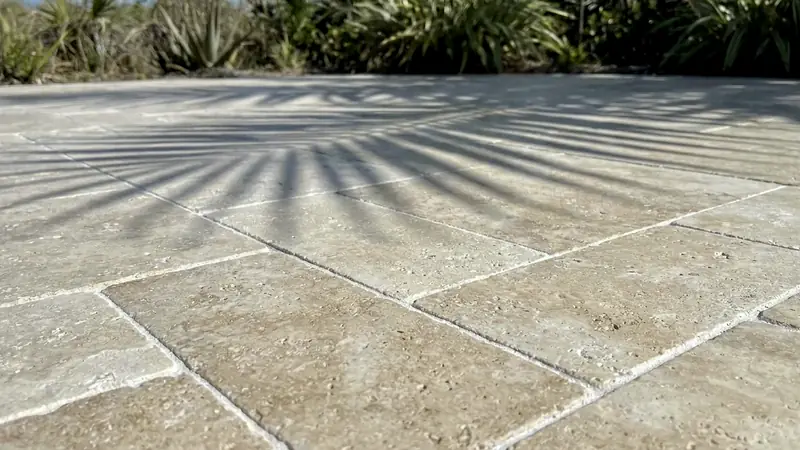
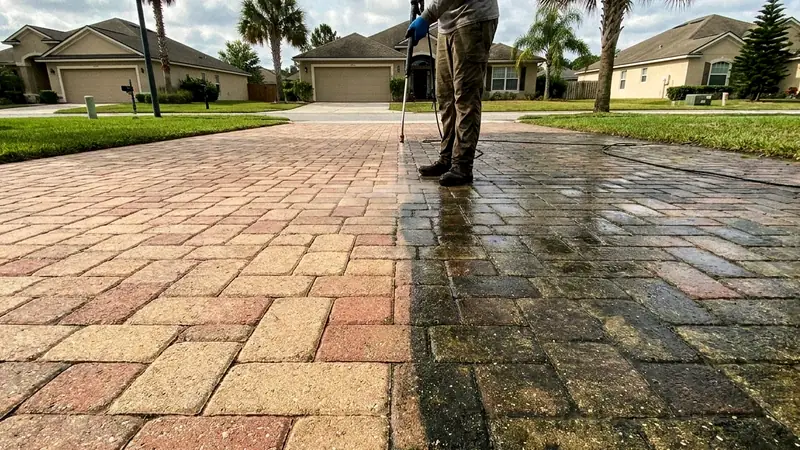
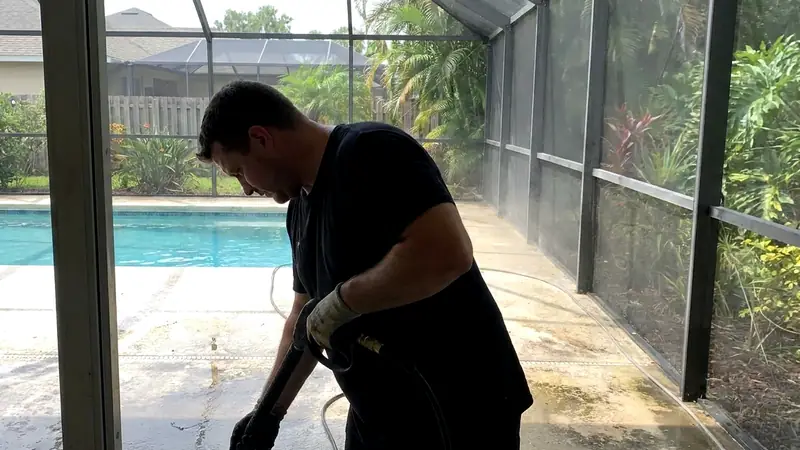
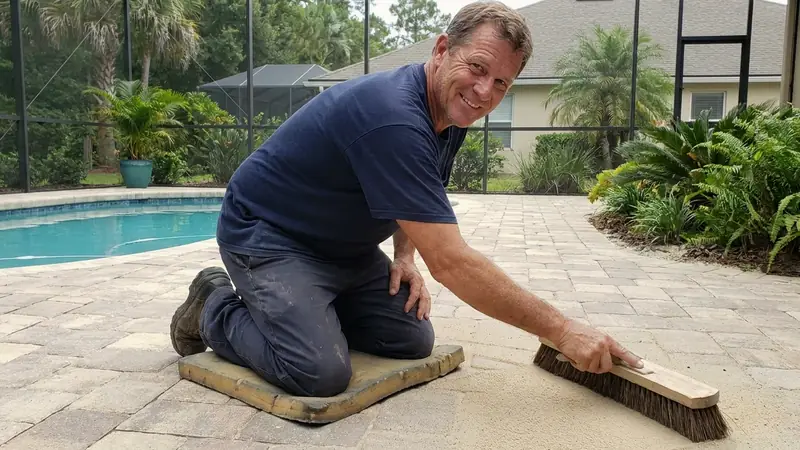
What do sealed pavers look like around Arlington Hills?
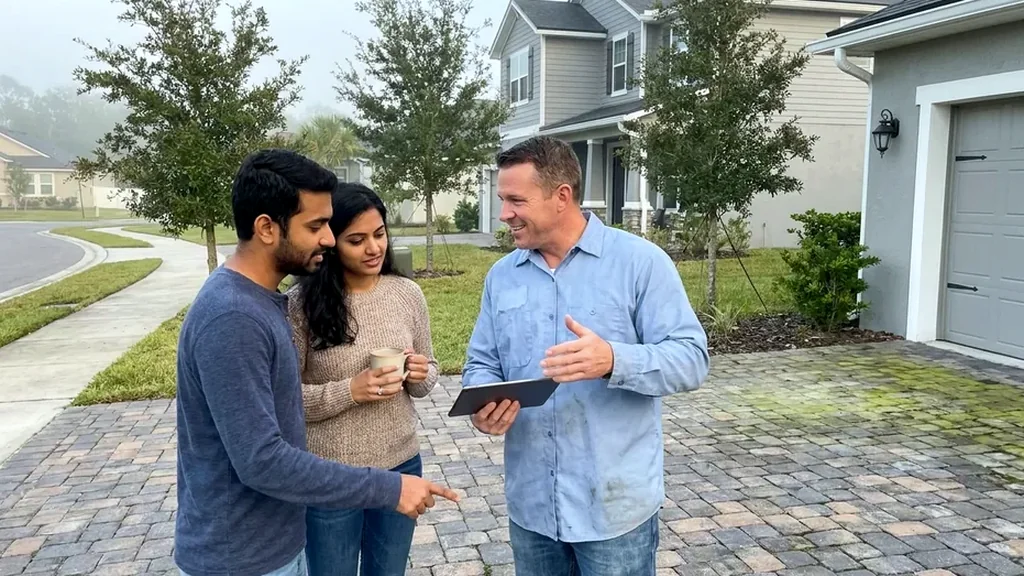
Why local matters in Arlington Hills
A contractor who works Arlington Hills will ask about drainage before anything else. Streets near Woolery Drive and Arble Road have a documented history of standing water, and that changes drying time. A crew from the other side of the county might skip that question. Call (912) 600-8118 to reach a contractor who knows this area.
Local knowledge also covers the age of the houses. Many Arlington Hills homes were built between 1951 and 1990, so the pavers may be newer than the walls beside them. Siding and brick need rinse water kept off them. When you ask for a free estimate, tell the contractor the year your house went up.
Timing is the third piece. The wet season runs May to September, and the driest months are November to April. A contractor who knows that rhythm can aim for the dry stretch. If you want a date in that window, ask for a free estimate and ask what is open.
What should I know about Arlington Hills before hiring?
It sits in the part of Arlington that filled in during the 1950s, once the Mathews Bridge was open. Developer Terry Parker owned 1,800 acres there by 1959. He gave land for Terry Parker High School in 1955, and the area joined the city in 1968. If your driveway is part of that history, call (912) 600-8118.
The river is close. Arlington Lions Club Park on Richard Denby Gatlin Road has a boat ramp that opened in 1989, and a boardwalk links it to Blue Cypress Park. Regency Square Mall opened in 1967, and the Dames Point Bridge leads north. If you live close to the park or the boardwalk, ask for a free estimate and name your street.
Frequently Asked Questions
Is sealing pavers worth it in Arlington Hills, Florida?
Usually, yes. Sun, heat and downpours work on bare pavers all year, and the joint sand between them washes out first. A coat holds that sand in place and slows weeds, though it wears and comes due again. Weigh the cost of a recoat against how long you plan to stay in the house. A quick look at your joints tells you how much sand you still have.
How long does paver sealer last on an Arlington Hills driveway?
Local firms quote two to five years, and one cost guide narrows that to 3 to 5 years for most pavers. Tires, sun and sprinkler spray shorten the span. The easy check is a splash of water: beads mean the coat still works, and a dark soak-in means it is finished. A south-facing drive that bakes all afternoon sits near the short end of that range.
What is the going price to seal pavers in Arlington Hills?
Firms here post $1.75 to $3.25 per square foot for the wash, new sand and sealer together. Failed old sealer, rust or a tiny footprint puts a job higher in that band. Ask that the quote list the total square footage so bids compare fairly. Bundling the drive, the front walk and a patio into one visit spreads the setup cost across more area.
Why does paver sealing cost so much in Arlington Hills?
Labor is the big piece. The wash, any repairs to lifted pavers and the refill of joint sand take longer than the coat itself. A Jacksonville company counts 2 to 3 hours of prep for each hour of sealing, and a small driveway carries the same setup as a large one. A bigger lot spreads those fixed hours over more square feet, which lowers the rate per foot.
How much does it cost to get pavers cleaned and sealed near Arlington Hills?
The band for this region is $1.75 to $3.25 per square foot, and stripping a failed coat pushes toward the top. Tight access, such as a gated side yard, adds prep hours. An in-person estimate fixes the real number for your pavers. Ask the contractor to list extras, such as stain pre-treatment, on their own line.
What happens first on an Arlington Hills sealing day?
The contractor checks for dips, old sealer and stains, then washes. Joint sand is replaced before any coat goes on, and the sealer is sprayed and rolled once the surface is dry. Low spots are reset first, since a coat would hold them in place. Tell the contractor about any spot that stays wet after rain, so it can be dried out or left for last.
When can I drive on sealed pavers in Arlington Hills?
After a few hours people can step on the surface, and cars wait about a day, according to one Jacksonville firm. Many owners leave the cars on the street the first night. Ask which product is going down, because cure times differ. A cooler night helps the coat set, so mention if you need the car out first thing in the morning.
Does an owners' association in Arlington Hills decide my sealer color?
Only if its papers say so. Under Florida law an association can enforce only what its declaration or published guidelines state or reasonably imply. Read yours before choosing a finish, and if the rules are silent, the choice is yours. A short question to the board or the property manager usually settles it in one reply.
Nearby areas we serve
Ready for a Free Estimate in Arlington Hills?
Call (912) 600-8118 and tell us about your pavers.
Free, no obligation