
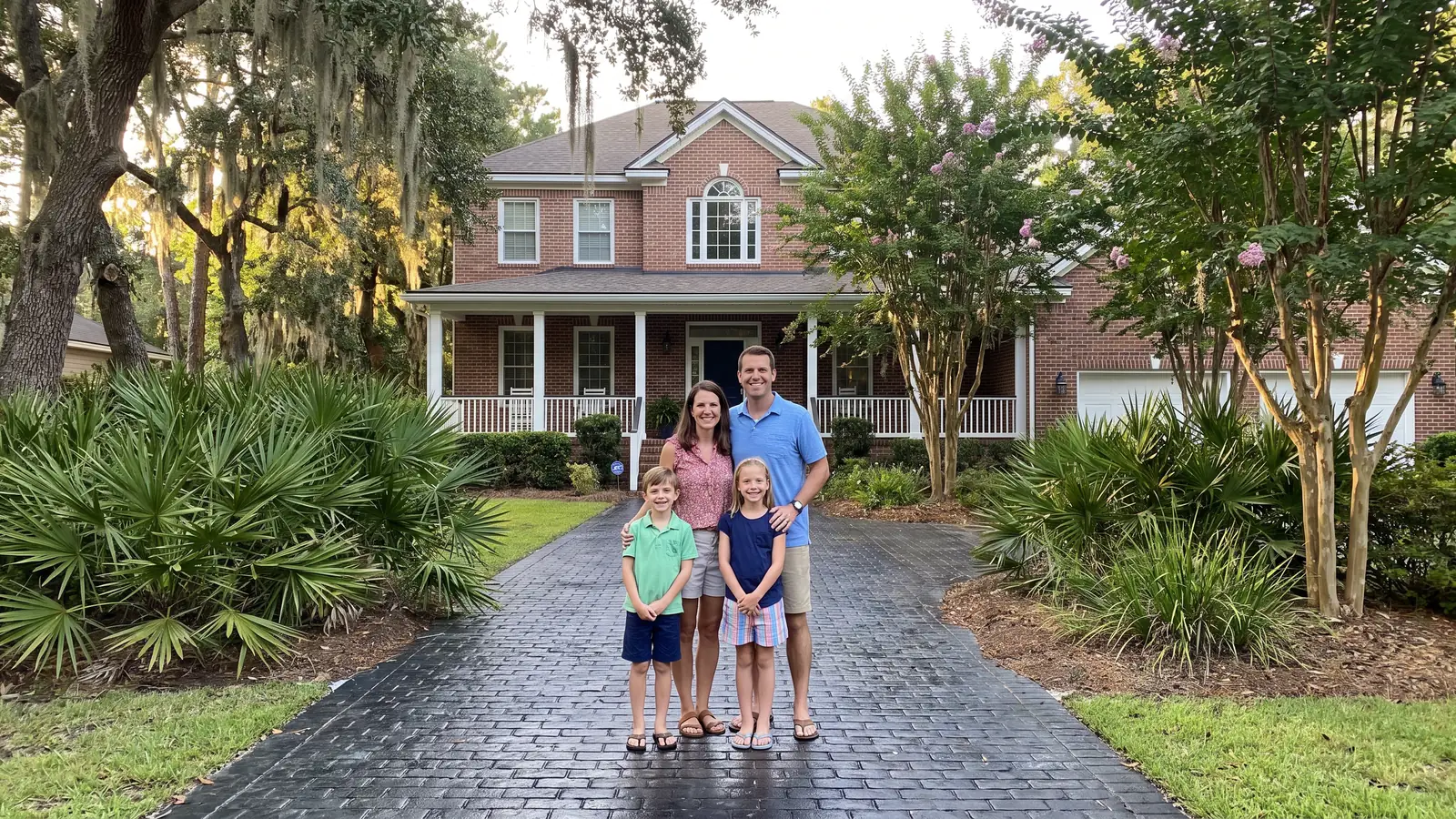
Paver sealing for Fort Caroline homes
Paver Sealing in Fort Caroline, FL
Fort Caroline's bluff sand drains fast, which means paver joints empty fast; call (912) 600-8118 for a free estimate.
- Brings out deeper paver color
- Fresh joint sand helps lock pavers in place
- Gives weeds less room to grow
- Makes the surface easier to keep clean
- Free estimate, no obligation
Request a Free Estimate
Free, no obligation.
Fast, careful paver sealing in Fort Caroline
Paver sealing is available in Fort Caroline, from the bluff-top streets near the river to the gated lanes of Queen's Harbour. The work covers washing, new joint sand and sealer for driveways, walkways and pool decks, done by a local contractor, and the estimate is free. Call (912) 600-8118 from anywhere in Fort Caroline, and a reply arrives within 1 business day, usually much sooner.
Picture the driveway you pull into after work. The joints are thin, the color has gone chalky, and a green film sits where the branches hang over. A wash, fresh sand and a new coat bring it back to one even tone, and the pavers you chose keep their color and their sand. You can ask for a free estimate to ask what yours needs.
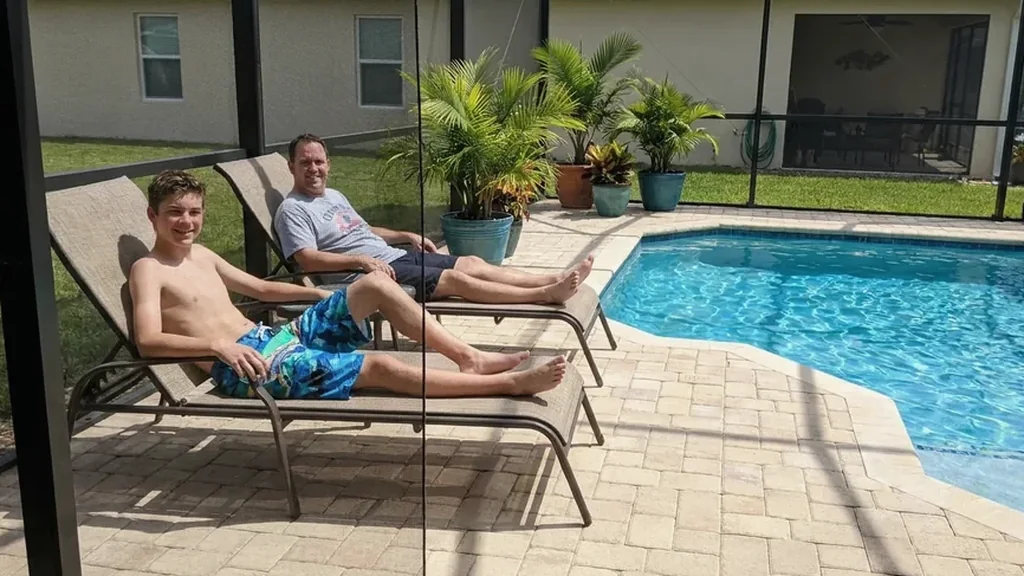
Why hire a local paver sealing contractor in Fort Caroline?
Dune sand, hammock shade and gated streets all change how a Fort Caroline job goes, which is why homeowners want someone local. Ask how they apply to your lot when you ask for a free estimate.
A free look first
The contractor looks over your Fort Caroline pavers at no charge and names a price before you agree to anything.
A range you can check
Published prices run $1.75 to $3.25 per square foot for the full job in Northeast Florida, so you can test any bid.
The finish is your call
Matte or wet look is up to you. Wet look shows scuffs sooner than matte, which counts on a drive where cars turn every day.
Gates arranged ahead
Tell the contractor about a gate or guard house up front, so arrival matches your street's rules.
Get Your Free Estimate in Fort Caroline
Tell us about your pavers in Fort Caroline.
Free, no obligation
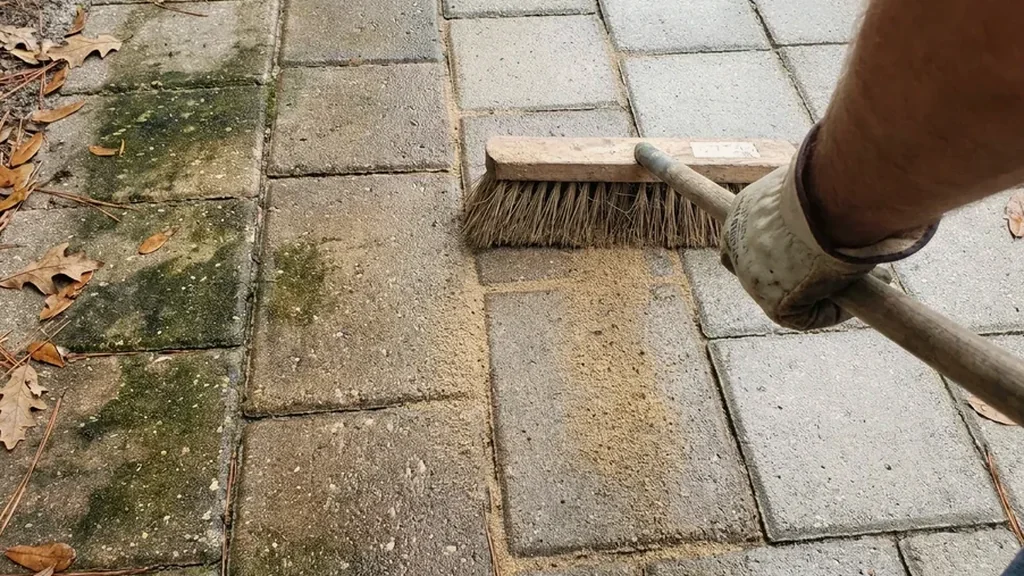
What paver problems show up most in Fort Caroline?
Joint sand that runs downhill
Fort Caroline sits on old dune ridges. A University of North Florida archaeology lab describes rolling relict dunes that form high bluffs along the south bank of the St. Johns River. Sand drinks up rain, and it also slides away on a slope. Joints on a tilted driveway empty sooner than joints on flat ground, and open gaps give weeds a place to root. That is why a sealing visit here starts by looking at the grade of your driveway before anything else. Sweeping fresh sand into the joints after the wash is what gives the sealer something firm to lock in.
Hammock shade over damp pavers
The National Park Service says trails in the nearby Timucuan Preserve run through shady hammocks, and one exterior company describes mature trees over Fort Caroline Shores. Shade keeps a surface wet longer after rain. A Jacksonville builder notes that shaded pavers grow black mildew fast, so the north edge of a drive often darkens first. That growth has to be washed off before any sealer goes down. The same shade also slows drying, so the wash and the dry time both run longer than on an open lot. Homes built from 1975 to 1978 have stood under those trees for nearly half a century.
Rain instead of river flood
Rain here totals around 52 inches a year, and most of it comes in brief, hard storms between May and September. Sales records for three recent Ft Caroline Oaks homes show a median elevation near 46 feet and no home in a FEMA flood hazard zone. The water your pavers meet here is mostly rain and runoff. On a sloped drive that runoff scours the joints, so full joints and a sound coat matter. Rain is also the reason sealer needs a clear weather window, since wet joints and wet pavers cannot be coated. ZIP 32225 covers about 26 square miles and 57,441 residents, so conditions vary from the river bluffs to the streets farther inland.
Pavers from four different decades
Fort Caroline Club Estates dates to 1960. Fort Caroline Shores homes went up from 1975 to 1978, and some Ft Caroline Oaks homes date to the 1990s. Owners added pavers at different times over the years. That makes the old sealer hard to name, which matters because a solvent-based coat blocks any water-based product, so the contractor checks first. Writing down the product name after a job makes the next coat much easier to plan.
Orange streaks from sprinklers
The University of Florida says most Florida well water is high in iron, and orange streaks often appear where that water irrigates a yard. A spray head that hits the edge of a driveway every morning can leave a neat orange line. Rust needs its own treatment during the wash. Sealing over rust would keep the rust visible under the coat. Ask the contractor to look at your sprinkler lines at the visit, since moving a spray head is far easier than scrubbing the same line each season.
Can Club Estates, Fort Caroline Shores and Queen's Harbour all get paver sealing?
Yes, a contractor can work in each one, and each has its own age and style. Fort Caroline Club Estates dates to 1960, Fort Caroline Shores went up from 1975 to 1978, and Ft Caroline Oaks has homes from the 1990s. Older drives often carry a coat from several owners back. Tell the contractor your street when you ask for a free estimate.
Queen's Harbour has been open since 1988, with about 950 home sites planned, a 24-hour gate and a golf course. Some lots front a lagoon that links to the Intracoastal through a ship lock. Gate rules shape the schedule as much as the pavers do. Call (912) 600-8118 and mention it if you live behind the guard house.
Bluff living is part of the area too. A 2017 Daily Record story called Fort Caroline one of the places in the city with hills, bluffs and river views. A slope like that sends rain across a drive, so the contractor will look at where water leaves your property. You can ask for a free estimate and ask about your own grade.
What does paver sealing cost in Fort Caroline?
Northeast Florida companies publish a range of $1.75 to $3.25 per square foot for the full clean, sand and seal. In Fort Caroline the spread comes from how much sand has left the joints, how thick the mildew is and whether an old coat needs attention. A wide drive plus a pool deck adds up fast, even at the low end of the range. For a real figure on your pavers, ask for a free estimate.
Slopes and gates can change the day more than they change the price. A hillside drive may need extra sweeping to keep fresh sand in place, and a guard house adds a step to the schedule. Rust stains take extra treatment. Call (912) 600-8118, and the contractor can sort out which of these fit your lot before anything is booked.
| Paved area | Typical example | Clean, sand and seal |
|---|---|---|
| 300 sq ft | Small patio or walkway | $525 to $975 |
| 600 sq ft | Two car driveway | $1,050 to $1,950 |
| 1,000 sq ft | Large driveway or pool deck | $1,750 to $3,250 |
| 1,500 sq ft | Driveway plus pool deck | $2,625 to $4,875 |
Math based on the $1.75 to $3.25 per square foot that Northeast Florida paver companies published as of November 2026. Your contractor sets the actual price after seeing the surface. Repairs, leveling and stripping failed sealer are usually extra.
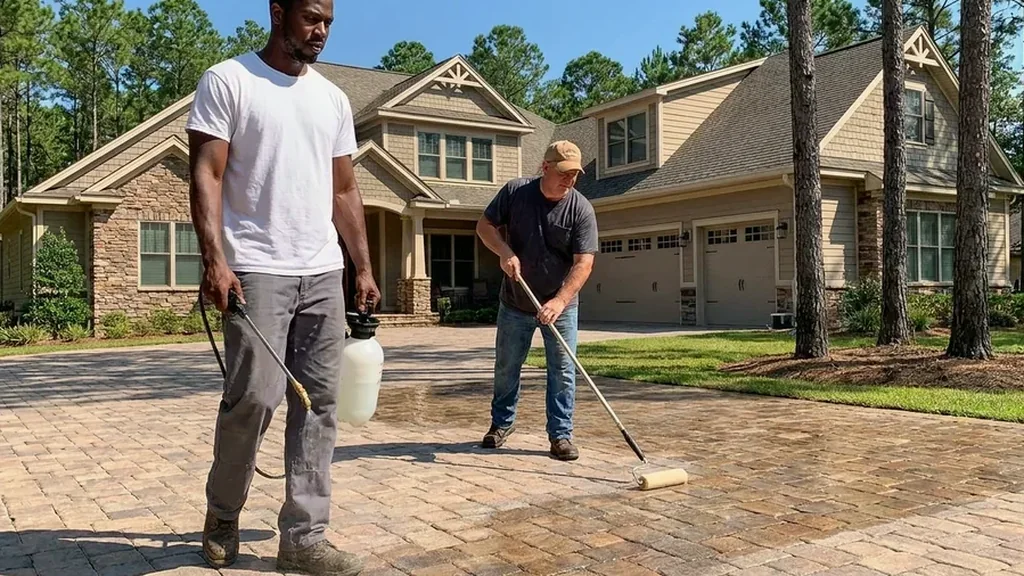
How does a paver sealing job work in Fort Caroline?
Walk the lot and read the slope
The contractor looks at how water leaves your Fort Caroline drive and where the shade sits. Any dip or raised corner is fixed first, because a coat of sealer would simply preserve it. The earlier coat matters as well, since solvent-based sealer rules out a water-based topcoat. Tell the contractor if a previous owner had the pavers sealed. Point out any low spots and raised corners during the visit, since those are the first things to fix.
Wash off green film and rust
The wash lifts hammock mildew and any orange streaks from sprinklers. Rust gets its own treatment at this stage. Rinse water is aimed away from brick and stucco at the foundation line, which matters beside the older homes in the area. Shaded strips and drive edges get the closest look, because that is where green film hangs on longest. Many orange stains lighten with treatment, though a Jacksonville paver company says some deep stains will not vanish, and it tells owners that before starting.
Sweep new sand into every joint
Sand leaves the joints during the wash, so it is replaced before sealing. On the dune sand of Fort Caroline, open joints drain fast, so filling them fully is what lets the sealer lock the sand in place. The surface is swept clean afterward. Full joints keep neighboring pavers from rocking, which is the point of re-sanding before a coat goes down.
Give the pavers time to dry
Sealer needs a dry surface. Most of the area's rain arrives between May and September, so a driveway under hammock trees can stay damp longer than a sunny one. Sealing over moisture is a mistake, so the contractor holds off until a dry window opens. A Jacksonville paver company also advises against sealing right before a forecast downpour, so a clear forecast counts as much as a dry surface.
Seal, then keep cars off
Sealer goes on in even coats, and one Jacksonville company says crews typically spray it and then back-roll it into the joints. Feet can go back on within a few hours, and wheels wait about a day. A wet look shows scuffs sooner than matte, so pick with your driving habits in mind. Matte shows less of that wear. A pool deck gets an anti-slip additive, since a builder warns that gloss sealer is slippery when wet, and the contractor names the product before the day.
Complete paver services in Fort Caroline
On a Fort Caroline job the first hour is looking, not working. The contractor reads the slope, the shade and the sand level before touching a hose. Washing, re-sanding, drying and sealing follow in that order. For a rough timeline on your lot, call (912) 600-8118.
Three surfaces matter most here. A driveway meets tires and sprinklers, and a walk under the trees goes green first. A pool deck needs a non-slip additive, since a Jacksonville builder warns that gloss is slippery wet. Say which you have when you ask for a free estimate.
Pick the sealer after you know what is already down. If a solvent-based coat is on the pavers, a water-based product is out. Then choose a finish: matte, or a wet look that darkens the color but lets scuffs show sooner. For a chat about finishes, call (912) 600-8118.
Weather sets the date. Fort Caroline gets brief, intense downpours in summer, and hammock shade slows drying. Spring and fall tend to run calmer, and a forecast that is clear for a full day matters more than the month. Leave a day or two of slack, and ask for a free estimate to ask about openings.
Questions to ask before you hire
- Can you send proof of insurance before the work day?
- Will the contractor tell me the sealer brand and whether it leaves a wet look or a natural one?
- How often should sealed pavers be sealed again in this climate?
- How long until we can drive on the driveway and set the patio chairs back?
- Is there a gloss level that keeps the pool deck from getting slick?
- Does the quote cover pressure washing, new joint sand and the sealer, or are those priced apart?
- How long should the pavers dry before the sealer goes on?
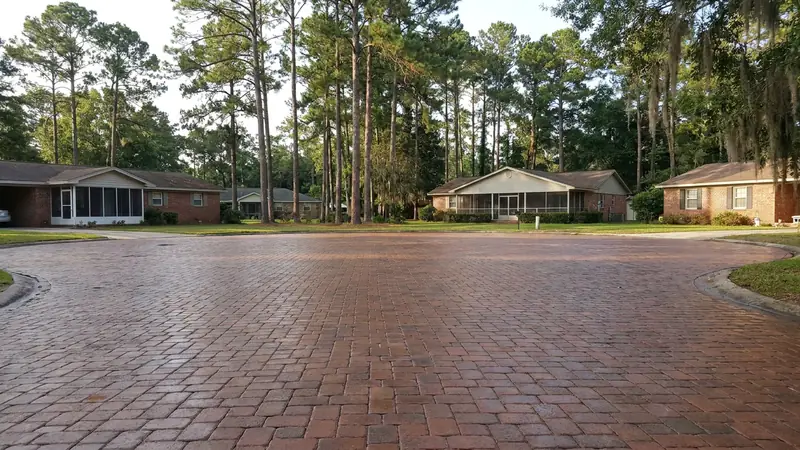
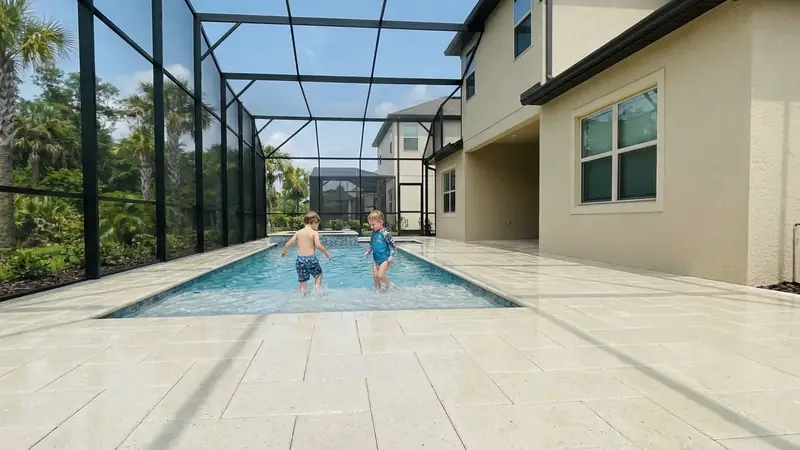
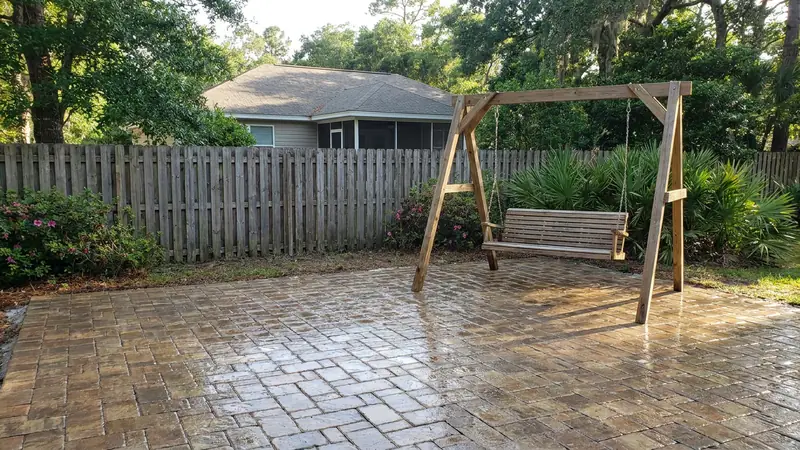
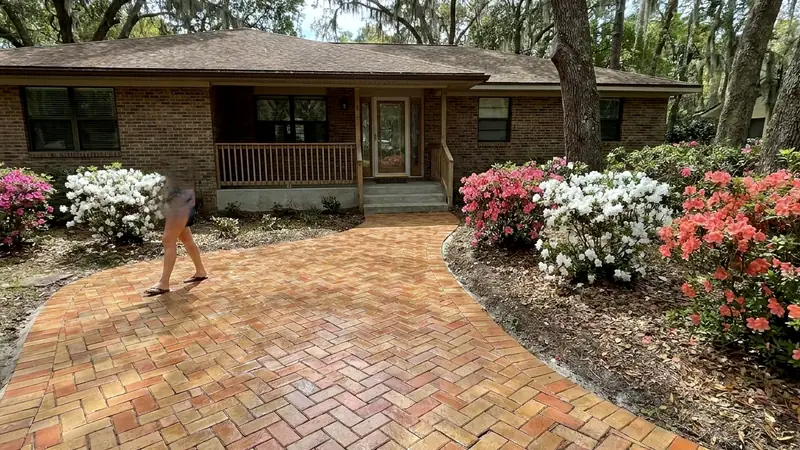
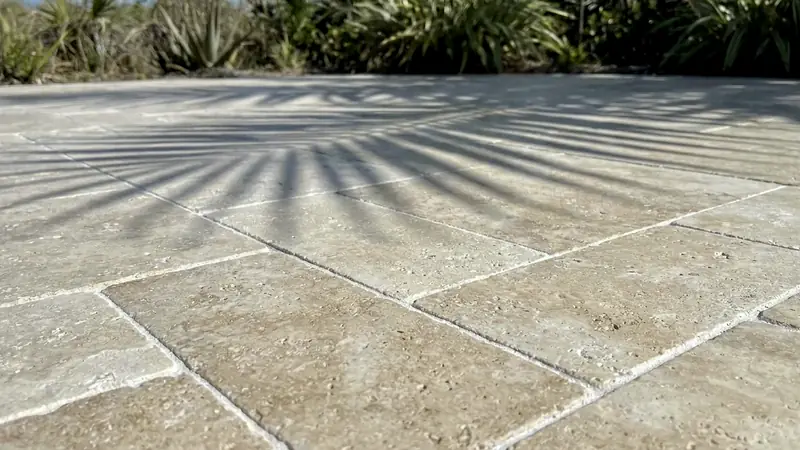
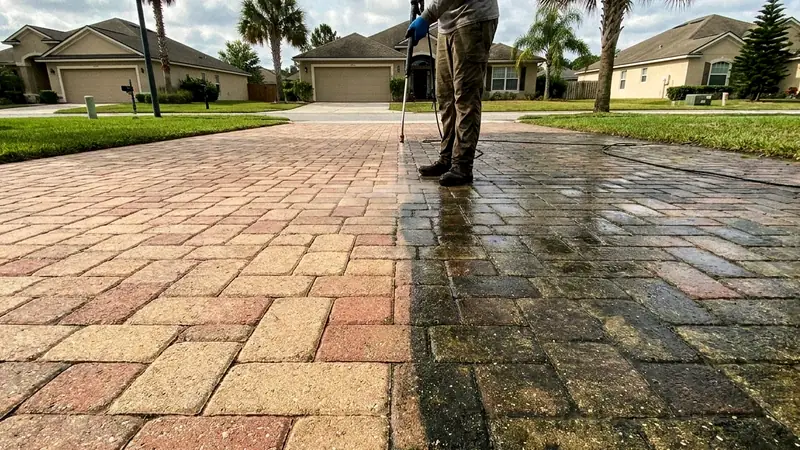
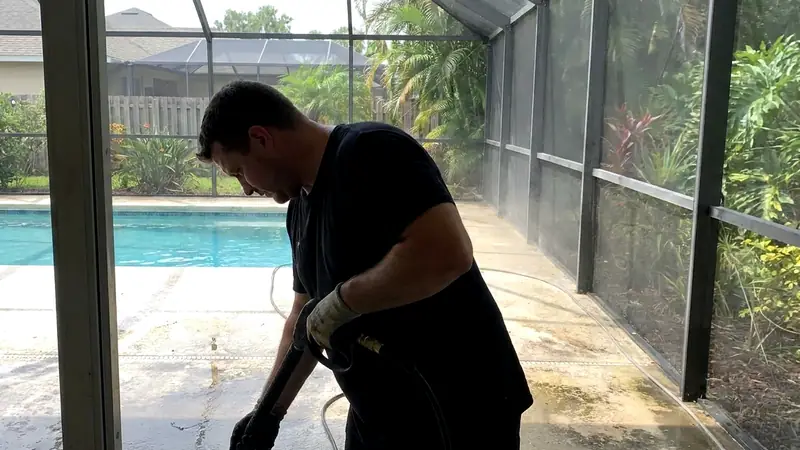
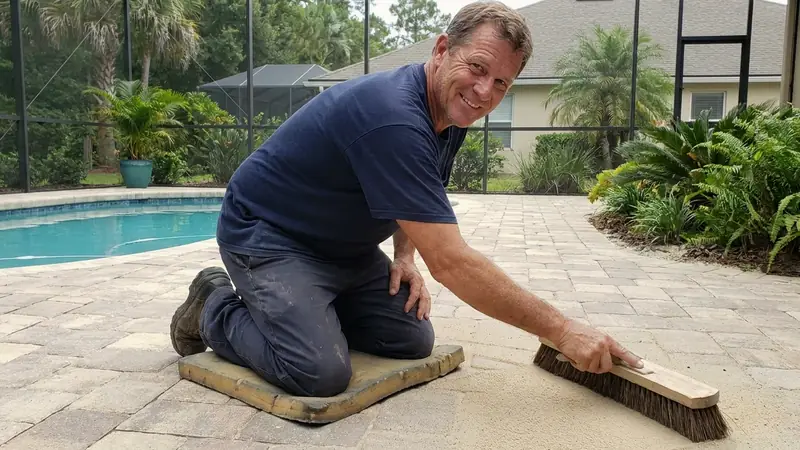
What do sealed pavers look like around Fort Caroline?
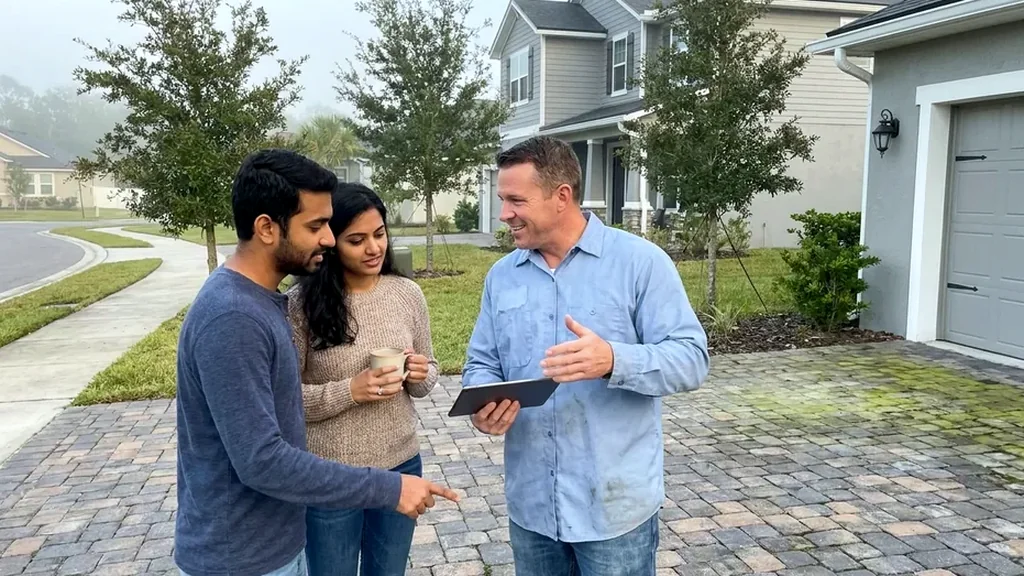
Why local matters in Fort Caroline
A contractor who works this part of Duval County will ask about your slope first. On bluff and dune ground, where the water runs decides where the sand goes. An out-of-town crew might never ask. To reach a contractor who works these Duval County bluffs, call (912) 600-8118.
Local knowledge also covers gates and communities. Queen's Harbour has a 24-hour gate, so the contractor needs your clearance before arriving. Visit times get set once that clearance is in hand. You can ask for a free estimate and say what your community asks of visitors.
The preserve next door shapes the yards as well. One local exterior company describes years of shade, pollen and humidity on Fort Caroline Shores homes. A contractor who knows that plans extra rinse time and a dry window. If your drive sits under big trees, mention it when you call (912) 600-8118.
Why is this part of Jacksonville called Fort Caroline?
It is named for a French settlement founded on 22 June 1564 on the bluffs along the river here. The National Park Service established Fort Caroline National Memorial in 1953, and its visitor center now serves the whole Timucuan Preserve. If you live near the memorial and your walkway looks tired, ask for a free estimate.
A 1964 outdoor replica of the fort was destroyed by Hurricane Dora the same year. The Timucuan Preserve now covers 46,000 acres of wetlands and waterways in northeastern Duval County. Mill Cove, a Native American ceremonial center about 1,000 years old, lies in yards in this area. Near the memorial, the preserve or Mill Cove, call (912) 600-8118 and say which street.
Frequently Asked Questions
Does sealing pavers in Fort Caroline, Florida, pay off?
Generally yes. Sealing slows UV fade, sand loss and mildew on concrete pavers, a Jacksonville builder says, with travertine and other dense natural stone as the main exception. On a Fort Caroline slope, holding joint sand in place is the biggest benefit. The builder adds that sealed surfaces rinse off instead of needing pressure washing.
What does it cost to seal pavers in Fort Caroline?
Expect $1.75 to $3.25 per square foot for the whole clean, sand and seal job, a range Northeast Florida companies commonly publish. Slope, mildew and old sealer push a job toward one end. Have the quote state the total square footage, so the comparison is easy. A free estimate lets you see the number before you decide.
How long do paver sealers last in Fort Caroline?
Most companies quote a coat at two to five years. A sunny, wide driveway with daily tires sits near the short end. A water test tells you more than the calendar: if sprinkled water beads, the coat is still working. Heavy shade and daily parking both shorten the interval, so check a shaded drive sooner than a sunny walkway.
Is it better to spray or roll paver sealer on a Fort Caroline driveway?
A Jacksonville builder says pros usually do both: spray for even coverage, then back-roll to work the sealer into the joints. Pure rolling risks lap marks across a long drive, while pure spraying can put on too much on a textured paver, the builder adds. Ask the contractor how the sealer is applied. If you pick a wet look, expect scuffs to show sooner than they would with matte.
Will sealing keep sand from washing out of the joints on a Fort Caroline slope?
It helps a great deal, though the joints must be full first. A Jacksonville builder says summer downpours flush sand out of unsealed joints, and that sealing comes after the joints are filled and swept. On a slope, a full joint with a sound coat holds far better than a thin one.
How long should I stay off newly sealed pavers?
Walking on it is usually fine after a few hours, while a car should wait about a day. How long depends on the sealer used and the day's weather. Ask the contractor for the exact time before you leave. Plan your own parking for that day, such as a street spot or a neighbor's drive, if the rules allow it.
What if my Fort Caroline pavers are sunken or lifted?
They get repaired before sealing. A Jacksonville paver company says sealing preserves any sunken or lifted section, so fixing the base first matters. Point out low spots and raised corners during the estimate. Raised corners often come from tree roots, so mention any big trees near the edge of the drive.
Will water-based sealer work over my old coat?
Not if the old coat is solvent-based, because water-based sealer will not go over it. If no one knows what is on your Fort Caroline pavers, the contractor will want to find out before choosing a product.
Nearby areas we serve
Ready for a Free Estimate in Fort Caroline?
Call (912) 600-8118 and tell us about your pavers.
Free, no obligation